martes, 24 de junio de 2014

17/06 Tuesday. Class 11

Hello

Our course is almost over. We´re looking forward to a great final of it on Tuesday, 24th! We´re going to represent a small performance which consists of short skits and sketches in English.

I´m very happy to announce a winner of the Olympic Games that same day. So, let´s keep the suspense until Tuesday!

Summer is coming! Let´s listen to some English podcasts in summer too! They´re fun and help to practise English. So, I´m leaving some links with funny webpages.
Have a happy holiday! Learn and Enjoy!

Learn English British Council
BBC Learn English
ESL Cyber Listening Lab
Podcasts and English Videos
English Podcasts


jueves, 12 de junio de 2014

10/06 Tuesday. Class 10

Hello

I´ve noticed that you have some problems with prepositions of time.
When do we use "on, at and in"?

So, today we were practising the use of prepositions and making up questions. If you still find them confusing, have some more practice - Exercise Link.


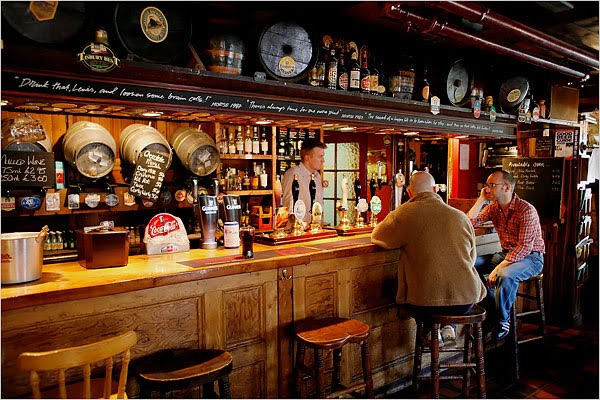
We watched a short video about British pubs. We practised asking questions and answering them based on the video. If you want to watch this video again, here is a link.

We did some quizes after the video and here are your Olympic Games results:

Player 1 - 10 points
Player 2 - 0 points
Player 3 - 10 points
Player 4 - 0 points
Player 5 - 10 points
Player 6 - 0 points


Be active, get your points and win the Olympics!
 

Are Spanish bars very different? What is different and similar?

Do you often go out at nights? Where do usually go?

Here´s a video - Night Out in Britain, watch it and do the exercises.


Write out five useful expressions from this video, make up your own examples with them and get extra points (2 points for each correct phrase).

lunes, 9 de junio de 2014

3/06 Tuesday. Class 9

Hello

What´s your attitude to tattoos? Do you like them? Do you find tattoo beautiful? Would you like to have one? Where?

Here´s a short video"Face Tattoo" about a girl who was tattooed. What happened?
Do the online exercises.


What do you know about tattoos? Where do they come from?
Read a short histroy about it - Reading Link.


Learn your parts and think over the things and costumes you might need at the performance!

lunes, 2 de junio de 2014

27/05 Tuesday. Class 8

Hello

We talked about the difference between - used to, be used to and get used to.
Can you tell the difference? Let´s practise a little bit more! 

Check your knowledge:
Exercise Link

What did you use to do and now you don´t?
Hmm, I used to go out a lot when I was younger, but now I don´t. And I used to work as a teacher at University, but now I work at a Language Centre. And you?

Check out what other people say about what they used to do, but now they don´t:
Video Link

We also started rehearsing our short sketches and skits in English. So, your homework is to learn your roles.

miércoles, 21 de mayo de 2014

20/05 Tuesday. Class 7

Hello!

Today we continued talking about Culture differences and diversity. We revised our last-class discussion based on the short video.

Today we learnt some new phrases: to be used to and to get used to.
When I came to Spain I wasn´t used to the hot weather. (estar acostumbrado)
Now I got used to it. (acostumbrarse)
I´m not used to getting up early. (Gerund)
I´ve got used to driving fast. (Gerund)

Do you see the difference?

We talked about your experience of going/travelling/living abroad.
What was difficult to get used to? What were you already used to?
Was it easy/difficult? How did you feel at first?

Read the explanation and do the exercises online: 
Exercise Link 1

Now check yourselves! Exercise Link 2

Do a listening task and answer the questions:
What is it about? What do you have to get used to and where?
Listening Link

Your homework is to do the copy and to read the script with skits and jokes well!

viernes, 16 de mayo de 2014

13/05 Tuesday. Class 6

Hello!
Do you believe in Tuesday, 13th? Maybe it was not our best day... or summer is coming... Nevertheless, let´s make an effort until the end of June!

So, at the class we were talking about Spanish traditions, we listened to your reports.
As a result, your Olympic Games points are:

Player 1 - 5 points
Player 2 - 0 points
Player 3 - 4 points
Player 4 - 1 point
Player 5 - 0 points
Player 6 - 5 points

We also watched a short video called "Culture Shock" about an Indian boy living in Cardiff and his first visit to India. Why was he surprised? What was strange and unusual for him?

Would you like to study abroad? Most probably all foreign students experience "culture shock".
Watch a short video with one student. What was her problem?
Video Link "Culture Shock"

Here´re a couple of links for Listening on our topic. Listen to the audio and do the exercises:
Listening "Culture Contrast"
Listening "Japan and England"

Attention!
We´re planning to organise a small performance at the end of the course (in our case these are small humorous jokes and sketches). Confirm, please, that you´re available the last week of June (the exact date and time are not decided yet).

So, your homework is to read and translate the jokes in your copies.

jueves, 8 de mayo de 2014

29/04-6/05 Tuesday. Classes 4-5

Hello

These two classes we started a new topic "Let´s celebrate!" We talked about different family celebrations (Birthday, Anniversary, Retirement Party, New Born Baby, Wedding, Housewarming Party, Graduation etc).
What do we usually say on these occasions?
Many Happy Returns! - Birthday
Best Wishes for you Future together - Wedding

Also we talked about different wedding traditions in other countries:
Why does a bride throw a bouquet?
Why do guests pin banknotes on groom´s suit?
Why does a wedding couple walk under the umbrella?
Why do people throw rice over the couple?

We read a text about four wedding traditions: Japanese, Jewish, Greek, American and did True/False test.

Also we were talking about the tardition of giving and receiving gifts. We learnt some new words (polite, rude, to (un)wrap, to avoid, flashy colours, odd/even number, to behave/behaviour).

Here are our Olympic Games results, how well do you know the traditions?
Player 1 - 5 points
Player 2 - 2 points
Player 3 - 5 points
Player 4 - 4 points
Player 5 - 3 points
Player 6 - 3 points

We read a small text about manners in different countries and answered the questions. Let´s practise some more! Here´s link of an exercise about manners. Can you do it?
Link Exercise

What do you think about British etiquette? Why are they so polite? Read the article and find it out!

Reading Link

Your homework is to write a short report about manners and customs in Spain:
What do people give as a present? What is polite/impolite?
Is it Ok to give money?
Do people unwrap the present as soon as they´re given it?
How do people greet each other?
What is the role of outfit in the society?

jueves, 24 de abril de 2014

9-23/04 Tuesday. Classes 2-3

Hello

These two classes we´ve been practising a lot all types of future - "to be going to" for future plans and intentions. We checked your homework and listened to your holiday plans in your country/city:

In the morning we´re going to walk around the city centre.
In the afternoon we´re going to visit the museum.
In the evening we´re going to relax.

Listen to Kate, what are her future plans? Listening

What are your plans for tonight? Listen to six people talking about their plans. Listening

Practise the difference between "will" and "be going to" - Link

We practised "to be going to" in predicting future:
What is going to happen? - He´s going to fall, there´s a hole in the ground.

Practise this case with this link - "What is going to happen?"

We revised the use of "will" and "be going to" and learnt that also "will" is used for on-the spot decisions:
I feel seepy! - Oh, I´ll make you some coffee.

"be going to" is also used for predictions based on the evidence that we can see clearly:
There are a lot of clouds in the sky, it´s going to rain.

Practise more with the exercises:
Link 1
Link 2
Link 3

Also let´s revise one more future - Present Continuous for future. We use it to express future arrangements:
I´m flying to Paris next week. (it´s already arranged)


Pracise with the exercises:
Link 1
Link 2

Here´s a link for watching and listening, practise the use of Present Cont. for future:
Video "What are you doing tomorrow?"


Also we got to know one famous singer Lorde and her song "Royals", listen to it again and watch the video.


Read the interview with Lorde What do you think about her? Why is the song called "Royals"? What does she say about her life and this song? Is this song about her life?


Your homework is to do the tasks in the copy and to think about the meaning of the song and its title!

miércoles, 2 de abril de 2014

Trimester III. 01/04 Tuesday. Class 1

Hello

Today we´ve finished discussing the film, we talked about the double meaning of the title and about its message.
We´ve started a new topic "Life in Future". What will our life be like in future? Will there be cool devices like Internet watch or intelligent earrings?

So, we were trying to predict the future and discussed some questions:
What will life be like in future?
What will people be like?
Will we speak the same language? etc

We use Future Simple to talk about predictions for far future and our opinion about it. We also can use such expressions for that:
I think ... will certainly (not) ...
... will probably...
...will possibly ...
... is (un)likely to ...

Listen to six people talking about future and cars. What do they say? What´s your opinion?

Homework: there are a lot of English songs with Future Simple. Can you think of any? Bring it to the class, write out the sentence from the song which contains "will" sentence. Don´t forget to write down the singer and the song.

lunes, 31 de marzo de 2014

25/03 Tuesday. Class 12

Hello!

Today we had the end of our winter trimester and we had a small "party"!!!
Your dishes were sooooo delicious and tasty and your presentations were also very good.

 Aslo today we announced the winner of our Olympic Games - Victor Garcia! Congratulations!
Keep on like that!

Oscar made a presentation of his dish - cookies in chocolate.
   
We´ve finished watching the film and next class we´re going to talk about it, discuss the questions in your copies. So, be ready for that.

jueves, 20 de marzo de 2014

18/03 Tuesday. Class 11

Hello

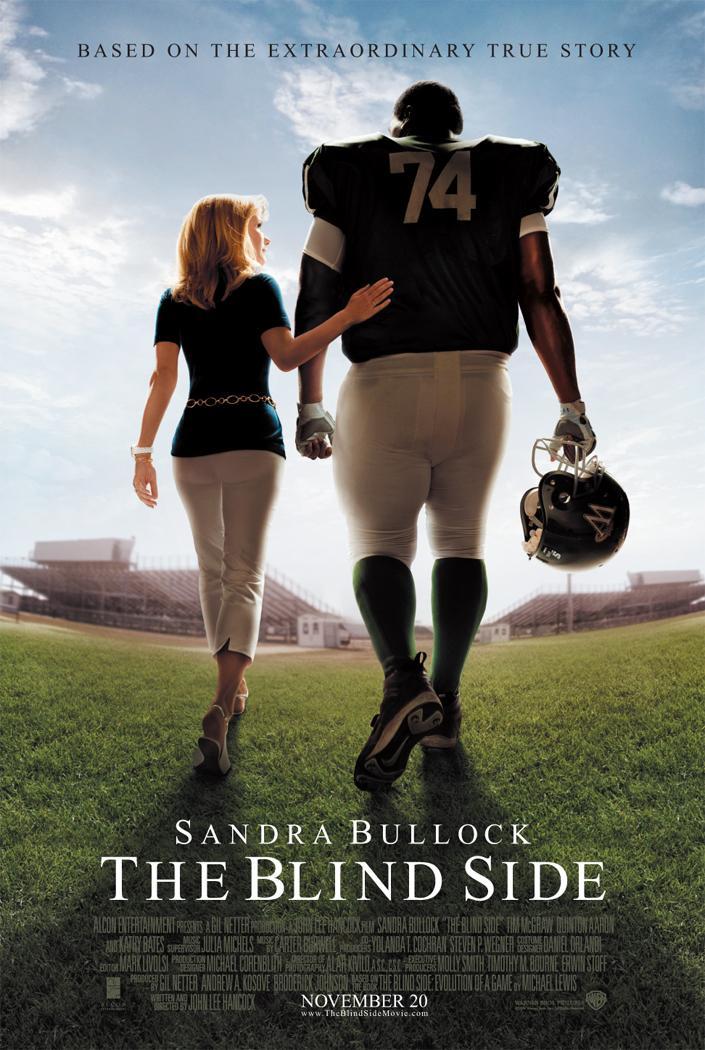
Today we´ve been watching a film "The Blind Side" which is tightly connected with our topic "Sports".

Find the information in the internet and answer these questions:
Who is a quarterback? His functions?
Who is a left tackle? His functions?
What do you think is Micheal Oher - a quarterback or left tackle?
What is "the blind side" in American football?
Why does the film have this title?


Your homework is to answer the questions in the copy about the film.


Next week is our last week in this trimester and we´re organising "a party". So, each of you has to bring something cooked by himself (preferably sweet and transportable). You also have to prepare a presentation of your dish (ingredients, how to prepare it etc.).
Here´s an example - link.

Also next class we´re going to announce a winner of our Olympic Games who will, of course, be awarded with a small prize!

Looking forward to our small party!

martes, 11 de marzo de 2014

11/03 Tuesday. Class 10

Hello

Today we checked your homework - everybody except David did the homework - it´s great!
So, we read a text about Lacrosse (or more information - Wiki) and answered the questions. Also you wrote about your favourite/unusual sport and told about it in the class.
We listened to one really unusual - chess boxing.

We also did a sports quiz - to check how much you know about sports. Now results of the Olympic Games:
http://www.nantucket-bucket.com/wp-content/uploads/2013/03/Lacrosse.jpg
Lacrosse
Player 1 - 0 points
Player 2 - 4 points
Player 3 - 4 points
Player 4 - 3 points
Player 5 - 4 points
Player 6 - 4 points
Player 7 - 4 points
Player 8 - 4 points

Also we did some grammar - Relative Clause (defining and non-defining):
Chess boxing
Defining is a relative clause with essential information (where, when, that/which, who, whose):
This is a boy who lives next door.
This is a place where people go to see the performance.
I really like the cake (that) my mum makes. (we can omit "that")

Non-defining is a relative clause with additional information (without it the sentence still has sense):
The girl, who is my neighbour, works in the hospital. (we CAN´T omit the pronoun)

When can you omit the relative pronoun?
Practise and check here.


Your homework is to do the exercises in the copy.


jueves, 6 de marzo de 2014

04/03 Tuesday. Class 9

Hello!

Today we´ve checked your homework on Glastonbury Festival video and done the quiz. After that you wrote a summary on it.
We´ve also listened to the rest of the Projects about your favourite singer/band. As I promised here are your points for Olympic Games (class 8):
 
Player 1 - 8 points
Player 2 - 8 points
Player 3 - 0
Player 4 - 6 points
Player 5 - 6 points
Player 6 - 6 points
Player 7 - 8 points
Player 8 - 0

Today we´ve started a new topic "Sports" and we learnt a lot of kinds of sports (horse riding, surfing, gymnastics, running, jogging, hurdling, parachuting, kickboxing, martial arts etc.).

We also did some speaking where you talked about your preferences:
What´s you favourite sport?
What sport are you fond of watching on TV?
What sport are you good at?
What sport would you never consider trying? Why?

What are common and different things with you partner?
We both like/hate ...
Neither Alex nor I like ...
My partner is good at ..., but I am good at ...

Also we learnt sports equipment and places to do sports (a ball, a bat, poles, a wicket, skis, saddle, a goal, gloves, a club, a course, a pitch, a pool etc.).
What do you need to play golf? to ride a horse? to play cricket?

We also learnt the collocations "do, play and go" with different sports.
We use "play" for team sports and competetive sports (football, tennis, cricket).
We use "go" for the sports ending in -ing (swimming, running).
We use "do" for individual sports (judo, aerobics, yoga).

Your homework is to read a text about lacrosse, an unusual kind of sports, and to answer the questions. Also to write your own report about an unusual kind of sports (120-180 words).

Here are some links:
Link 1
Link 2


miércoles, 26 de febrero de 2014

25/02 Tuesday. Class 8

Hello!
Today a new student joined our group! Welcome, Oscar. Hope you´ll find the classes useful and interesting.

Today we listened to your short reports (in some cases VERY short) about your favourite singer/band. The mark for it will be your points for Olympic Games.

We did some reading about British music habits and learnt new words (streaming, file-sharing, choice, amongst, to hold, behaving, to charge, to promote, massively etc.).

Also we watched a short video about Premises Recording Studio (some of the greatest music in the world comes from Britain, and British music is still topping the charts today. Richard visits The Premises recording studio, where many world-famous artists have made music).
Watch the video again and check your comprehension.

Have you ever visited any music festival? Which one and where?
We watched a short video about The History of the Glastonbury Festival.

Your homework is to watch the video again and answer the questions:

What are the main episodes in the history of the festival?
When did it start? Where?
What famous singers/bands performed there?
What year was there the biggest number of the spectators?
What is "mud surfing"? Why did this activity appear?
What is this festival now?

P.S. You may get some extra information about the festival in Wiki.

domingo, 23 de febrero de 2014

18/02 Tuesday. Class 7

Hello!
We learnt some new words related to music (recording, rhythm, track, songwriter, drummer, band, chorus, stage, album, performance, rehearsal etc.). We also learnt some expressions:

records go into the top ten
make records in a recording studio
watch them live at a concert
perform on stage
give a performance
sing the favourites
sing the chorus
ask for autographs
hum the tune
have good voices

You were talking about the music concerts you had once visited!

We also revised some useful phrases to express likes and dislikes:
likes: I really like.../I´m keen on.../...is my life/I live for .../I love.../I´m really into ... etc.
dislikes: I don´t really like .../... is not very me/... sucks/... is not my thing/... is not my style etc.

We listened to several people about their musical preferences (you can listen to it again here).
Now listen to another recording - What music does Kate like?

How can we describe music?
So, we learnt some adjectives: upbeat, cheerful, bland, ambient, jazzy, jaunty, rocking etc.

Your homework is to prepare a Project "My favourite singer/band" and to find out what MUZAK is. Listen to the audio "What´s your favourite band?".


domingo, 16 de febrero de 2014

11/02 Tuesday. Class 6

Hello!
Today we´ve been practising making suggestions and responding to them. How to reach an agreement and find a suitable channel and programme for everybody?
Practise the expressions with a short video - Making Suggestions.

Also we started talking about Music and its genres (rap, rock, pop, R&B, jazz, blues, folk, country, techno, hip-hop etc.).

We did some Speaking where you shared your preferences about music:
What´s your favourite singer/band/music?
Is there a song/band/singer you specially like/hate?
How do you get music?
How do you find out about music?
Is there any special song/music that reminds you smth/smb? etc.

Your homework is to do the exercises in the copy "Popular Music" (a crossword, a text and sentences with the fixed phrases).

Extra task: watch the video and write down what the boys suggest each other. What happened in the end?
P.S. Search in the Internet - What is MUZAK?

jueves, 6 de febrero de 2014

04/02 Tuesday. Class 5

Hello!

Today we played a board game and did some speaking. You were talking about your preferences for TV programmes and films.

We also revised your homework and found different types of programmes in TV programming:
docu-soaps, sitcoms, news reports, weather forecast, soap operas, cartoons etc.

We learnt some new expressions to make suggestions and to respond to them:
Why don´t we + go to the cinema (Inf.) - That´s a good idea!
Let´s + go to the cinema (Inf.) - Sure. Why not?
We could + go to the cinema (Inf.) - You´re joking! No way!
I suggest we + go to the cinema (Inf.) - That sounds great!
How about + going ... (Gerund) - I´d rather say no.
Fancy + going ... (Gerund) etc. - I´d love to, but ...

We were practising making suggestions in different situations!

Also we did a pair dictation "Children´s Viewing Habits in UK"- practised some writing, spelling and listening.

Your homework is to read this text again and make a similar report about Children´s Viewing Habits in Spain: How many hours do children watch TV? Who watches more - girls or boys? What kind of programmes do they prefer? etc. Also learn the phrases of suggestions and complete the dialogue.

Extra Task (3 points for Olympic Games): What or who is a "couch potato"? Listen to the audio and answer.
Couch Potatoes podcast.


jueves, 30 de enero de 2014

28/01 Tuesday. Class 4

Hello!
Today you were much better prepared, almost everyone did the homework, except David, who never does.
We listened to the presentations about different festivals in Spain and not only.
Remember: we try to speak, but not to read, although I understand it´s difficult.

We´ve started a new topic "Entertainment". We talked about television and learnt many new words (soap opera, news report, weather forecast, sitcom, chat show, reality show, quiz show etc.).

We also listened to several people expressing their opinions about television: Is it bad or good for people? They used different adjectives to describe the programmes (violent, educational, interesting, boring, entertaining ect.)

Your homework is to read the programme and find out the types of programmes on TV, answer the questions in your copy.

miércoles, 22 de enero de 2014

21/01 Tuesday. Class 3

Hello!
From the results of the class - only Ana and Victor did the homework, partly Paco and Juan. I´m putting everything on the record and at the end of the month you´ll get the evaluations!

Today we did some speaking - you were talking about Spanish holidays: Easter, Carnival and San Fermin. All groups did their work very well!

Also we found out what countries celebrate something with fireworks:
Brazil - Carnival
China - New Year
France - Bastille Day (July 14th)
USA - Independence Day (July 4th)

British also celebrate one day with fireworks - Guy Fawkes Night or Bonfire Night  (November 5th).
We´ve read about the origin of this holiday, who Guy Fawkes was and what he did. We´ve learnt some useful vocabulary: to let off fireworks, bonfire, dummy/effigy/ragdoll Guy Fawkes, torchlit processions, kick off the fireworks etc.
People usually recite this small poem this day:
Remember, remember, the 5th of November
The Gunpowder Treason and plot;
I see of no reason why Gunpowder Treason

Should ever be forgot.

What is Carnival? Why do people celebrate it? Read it here.

Your homework is to prepare a project "Holidays/Festivals" about one holiday you like (Spanish or any other).

jueves, 16 de enero de 2014

14/01 Tuesday. Class 2

Hello! From now on we strictly check your homework! It´s obligatory to do it!!!

Today we learnt about some traditions that people have celebrating some holidays (to let off fireworks, to wear costumes, to burn dummies, to dress up as witches, to eat a stuffed turkey, to cook traditional meal, to light bonfires etc.). You´ve been talking about different holidays and traditons for 2 minutes non-stop. Good job!

Halloween is on the 31 October. Children dress up as witches and ghosts. They put up wreaths and pumpkin lanterns. They go from home to home "trick-or-treating".

We´ve been also revising to ask questions in English. Hey, you still have some problems with them:
When do people celebrate New Year?
When did Saint Patrick die?
https://blogger.googleusercontent.com/img/b/R29vZ2xl/AVvXsEgSXlROZvHKLqiEpual19Ye1bEHHBOExC-aBCJSxTR4X-sbPEAGLjuCgHYSnKaxsrBCgIPH3zvephqP2ipKs45hBQKAAZed0nTjarbkLNeMyLUsortAJSSB-TWGCUC5BDIw1WHp3KxVXnUQ/What do people usually do this day?

Also we´ve watched a video - "I bet you didn´t know it" about the origin and history of Christmas. Watch the video again and answer the questions in your copies (in writing).

Extra task (3 points): watch any video from the same website about a history of any holiday and prepare a short summary to tell in the class.

jueves, 9 de enero de 2014

Trimester II. 07/01 Tuesday. Class 1

Hello!
I´m glad to see you again in our second course. Today lots of students were absent, most probably still on vacations:) Welcome Ana to our group, hope you´ll have fun with us!

Today we´ve started a new topic that i personally like a lot - "Festivities".
We revised how to say ordinal numbers, as it´s very improtant when we want to say a date
(15 October (the fifteenth of October or October the fifteenth; on 2 February (on the second of February or on February the second).
Here´s a link for you to practise saying the dates (when you click on the date/year you can listen to it).

Also we learnt some famous American and British holidays (Independence Day, St.Valentine´s Day, Christmas, Veterans´ Day, Guy Fawks Night, St.Patrick´s Day, Halloween etc.). We learn about some symbols of these holidays (St.Patrick´s Day - shamrock and green colour, Guy Fawks Night - bonfires and dummies etc.).

We also did a small Festivals Quiz and found out a lot of interesting facts about holidays all over the world. Do you remember them all?

Finally, we read a short history of some holidays and your homework is to read it again and make up 3 questions for each text part.

And now extra task: here´s a link to History of Holidays, read an article "Christmas Facts" and write out 3 facts that you find amazing and then read out in the class (you´ll be rewarded with some extra points for this task).